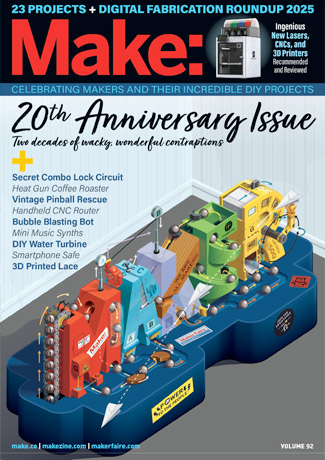








In the world of experiential entertainment, few concepts have captured the imagination quite like escape rooms. But James Hopkin and Eric Mittler, the creative minds behind Game On in Berkeley, California, are pushing the boundaries of what these immersive environments can be. Rather than static, one-time experiences, Game On offers a cooperative challenge center that thrives on evolution, iteration, and the liberating power of failure.



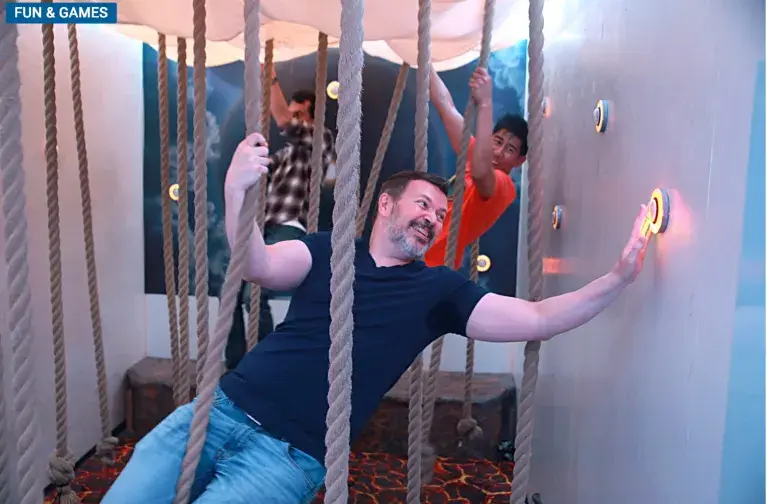
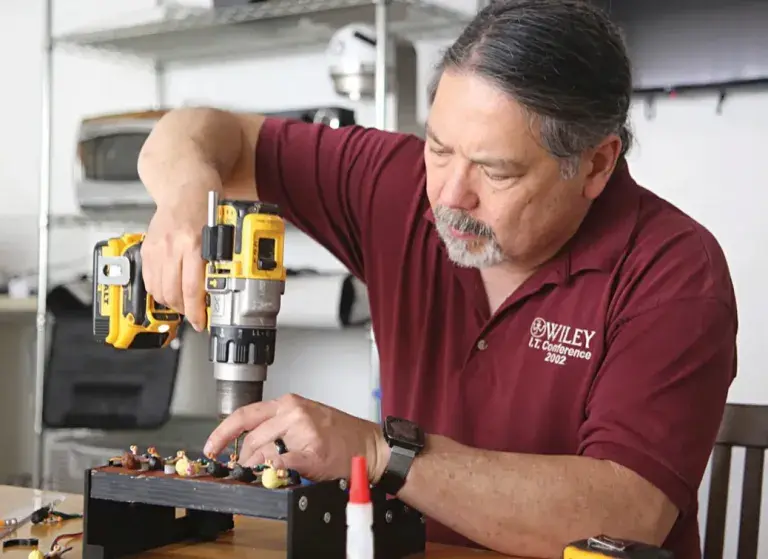
At the heart of Game On’s design philosophy is a simple but powerful idea: puzzles should never be truly finished. Hopkin and Mittler draw inspiration from an eclectic mix of sources — museums, engineering hacks, and classic games — to build interactive, modular environments that grow smarter and more engaging over time. Their rooms are deliberately designed for fast-paced trial and error, encouraging teams to communicate openly, collaborate under pressure, and embrace failure not as a setback, but as an essential step toward success. What sets Game On apart from traditional escape rooms is its commitment to rapid prototyping. Rather than locking in a design and walking away, Hopkin and Mittler treat every guest visit as a live testing session. Player behavior, unexpected solutions, and moments of confusion all feed directly back into the design process. This iterative loop allows them to refine mechanics, re-balance difficulty, and introduce fresh challenges with remarkable speed. Their modular approach to puzzle construction is equally significant. By building systems with interchangeable components, the duo can swap out elements, reconfigure interactions, and introduce new variables without overhauling an entire room. This flexibility means that returning players encounter a genuinely evolving experience, while new players benefit from designs sharpened by hundreds of hours of real-world feedback.


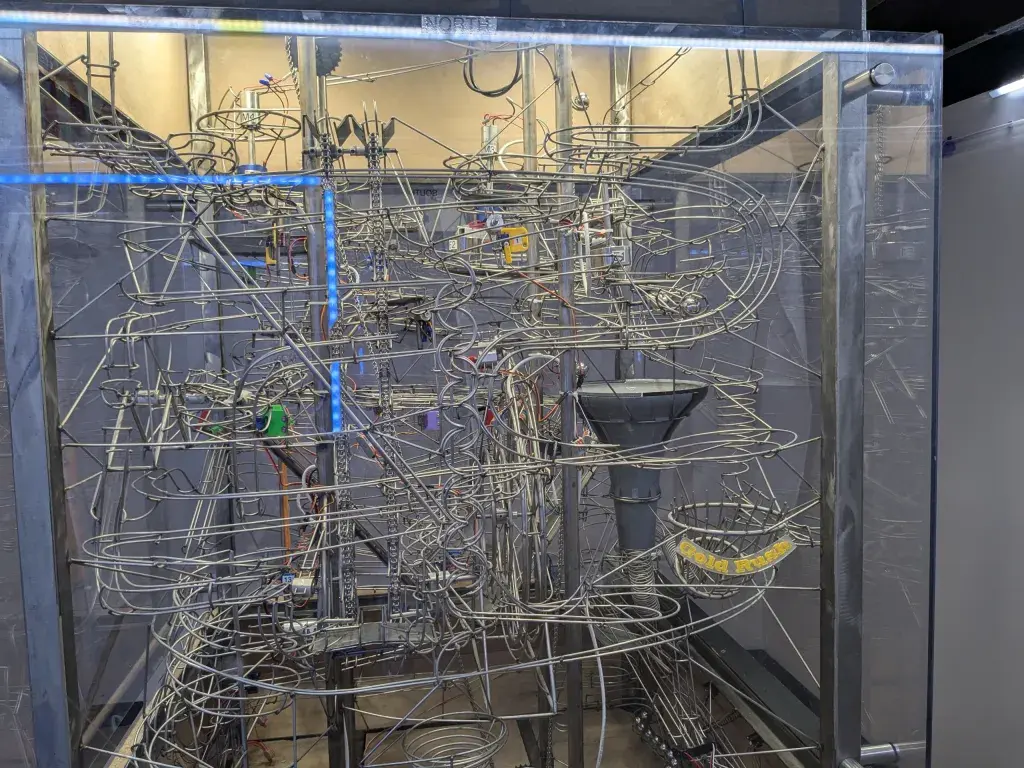
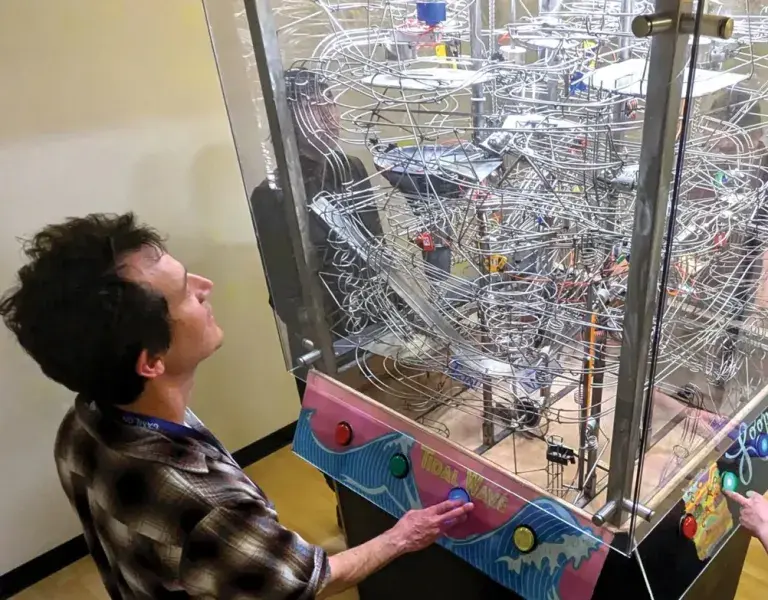
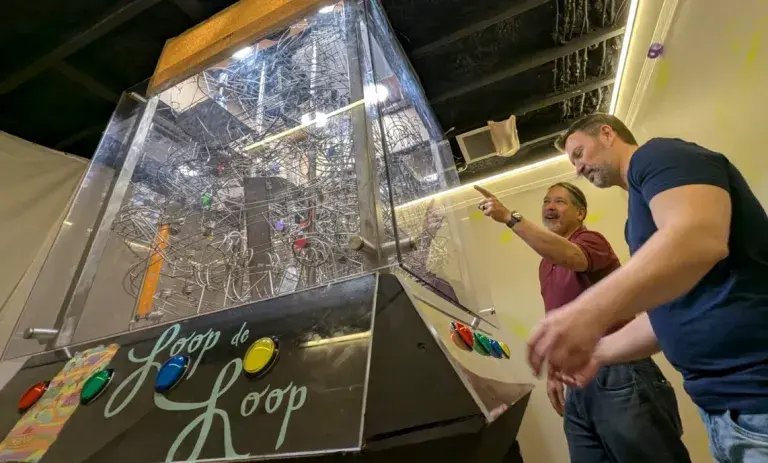
Hopkin and Mittler are also candid about the lessons failure has taught them. Early designs that seemed brilliant on paper often collapsed under the weight of real player interaction. Instead of treating these moments as defeats, they view them as critical data points. A puzzle that frustrates players in the wrong way signals a communication breakdown in the design itself, and that breakdown becomes an opportunity to rebuild something better. Their talk emphasizes that great game design is less about genius inspiration and more about humble observation. Watching how people move through a space, where they get stuck, what makes them laugh, and what sparks genuine teamwork reveals truths that no amount of theoretical planning can uncover. The result is a design culture that values curiosity, flexibility, and continuous improvement above all else.
Watch the full video from Maker Faire Bay Area, here.


ADVERTISEMENT