









HOW TO – Build Noise-Canceling Headphones
 “In today’s hectic and noisy world, we are all searching for a little peace and quiet. Well, you might not be able to slip off to a tranquil forest for an hour or two, but you can block out background noise with the Noise-Canceling Headphones. The theory behind this project is that by picking up ambient sound with a microphone and reproducing it out of phase, we can actively cancel or “null” out background noise. In fact, several commercially available devices perform the same function. However, by building your own headset, you can add features not otherwise available and have fun while doing it!” Thanks Nyte! Link.

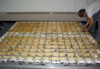 “Comprising four 4 ft. x 8 ft. modules, the dance floor boasts 1,536 long-lasting and low-power-consuming LEDs that light to 4,096 different colors. Students are using substances as common as aluminum foil to achieve special effects. The dance floor, which makes use of one-half mile of environmentally friendly ribbon cable, can be controlled wirelessly by remote clients, thus facilitating visual interactions that were not possible in previous designs.” [
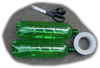 Here are some great instructions on how to make your very own water rocket launcher along with how to modify a pencam. This will allow you to record in-flight movies of your rockets. [


 Excellent project – “This is the first in a series of articles that will provide step-by-step instructions for implementing Bluetooth Proximity Detection. We’re going to focus on using it with Asterisk@Home. But your imagination is really the only limitation. At the very least, when we’re finished, you’ll be able to walk out of your home or office carrying your bluetooth phone or headset and have your Asterisk server automatically transfer your incoming calls to your cellphone.”
 RPS writes “Low tech how-to on making sound insulating earphones for listening to music while drumming, operating machinery (or doing anything else in a loud enviro) using cheap ear protectors and headphones.”
 MAKE Flickr photo pool member Pete Hidle posted up his amazing Etch-a-Sketch turntable project, he writes “Dualing Etch-a-sketch makes music by taking information from the Etch-a-sketch dials and translating it into digital information. That information could be used for anything, but in this example it turns it into techno music, using the Max/MSP software from