









Mobile Google Maps with GPS
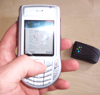 Getting Google maps on a phone with a GPS. The launch of Google Maps in the UK this week has coincided with the desire to write some Python code for my Nokia 6630 mobile phone. As Matt Croydon’s PythonForSeries60 shows, there are an increasing number of interesting projects written using the Python SDK for the Nokia phones. Link.

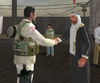 Interesting use of the Unreal Engine. Tactical Iraqi is a computer-based, self-paced, learning program that in about 80 hours teaches English-speaking people totally unfamiliar with Iraqi Arabic how to speak enough to accomplish tasks and missions in Arabic. [


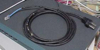 These are scary. It all started one day with this guy, the origional Etherkiller, developed with a few misc parts to warn new users that the IT department is not to be messed with. You too can make one at home, connect the transmit pins of the RJ-45 to HOT on 110VAC and the recieve pins to Common. Modify to suit tase by varying pinout. This led to some general discussion that this particular device really is in a class of devices, now called the “killers”, which need to be made.


 A PSP formatted video review magazine, made for the PSP to be played on the PSP. Really great to see this user made content done up in such a pro-way. This edition features three sections reviewing UMD movies, future PSP games, and some must have PSP accessories. Download and pop the 100mnv01 folder on your Memory Stick.
