









Coffee Can Foundry
 The shell is a festive holiday popcorn tin about 10 inches in diameter and 11 inches tall. This was lined with a layer of castable refractory insulation approximately 2″ thick. The foundry fired with charcoal with the cricuble in place and loaded with chunks of scrap aluminum. Even with the fire inside hot enough to melt aluminum (1200 to 1400 degrees F) the insulation is effective enough to keep the paint on the outside of the can intact. In fact, I can touch the outside of the foundry BRIEFLY with my bare hand without injury. Link.

 Build your own little paper rocket – it comes complete with a pneumatic launch pad. Using pressurized air as it’s only fuel, the rocket might rise as high as five meters. No fire and no explosives are used – it’s perfectly safe for indoor use.
 Coming soon, a GameBoy Emulator for the iPod. The videos look cool. You’ll need iPod linux to run it. (Compiler Optimization now work – there was an unalinged access problem preventing gcc -O to work). We did implement some sound output, which works, but isn’t perfekt yet. Controls work with touching the wheel at different positions. And yes – pressing two the same time is a problem. Speed is now at about 70% (i guess) of original gb. I’m looking forward to post a video. Everything’s very beta, so be a bit patient for a first release.
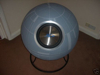 Might make a good MAKE project…“A subwoofer so powerful it could loosen fillings, shake out the cholesterol from arteries and generally make a lot of noise. It seems that the Death Star, ignoring the weakness that ultimately lead to its complete destruction, was a pretty good design… so someone made his own (with a lot of help from a housemate). The Death Star Subwoofer is currently up for sale on Ebay.” [
 Here is a ton of projects, components, schematics and articles on modding electric guitars. This site is designed for anyone interested in guitar electronics, particularly those who have never wired anything before. To further facilitate entry into electronically modifying your guitar if you so choose, most of this site was composed in a redundant fashion.
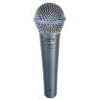 Your home computer is not only a tool for sending email and doing your accounts on, it can quite easily be turned into a digital recording studio. This transformation can be accomplished with little or no additional equipment. This guide shows you how. [
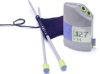 Rebecca Spender´s KnitWit are smart needles that keep track of the number of stitches you’ve already done. Movement sensors in the ends record the movement of the needles. This data is streamed via RF to a remote base station which decodes the signal, looking for a specific series of movements which correlate to the formation of a stitch. When a “stitch” is recognised, the LCD counter increments.