









U2 iPod iPod photo switcheroo
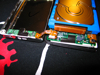 A black iPod photo with red wheel mod. This is my iPod U2 Photo Mod (aka Alk3 iPod). When buying a U2 Face make sure you get one with a working click wheel and has been tested. I didn’t use the U2 back plate because there wouldn’t be enough room for all the parts. These pictures were taken in reveres order so I already have the U2 face plate on it. [via] Link.


 Interesting article about how much electricity we use. That big screen TV might just be the SUV of power consumption in your house. With all the sales of big screen TVs we might need to develop more energy saving technolgies. The average US household used 10,656 kilowatt-hours of electricity in 2001- what used the most? [
 DVD ripping and transcoding with Linux. This is a very specific tutorial about the DVD rippping and transcoding, using Mplayer and Transcode. It is well organized and it contains specific information about the codecs, the aspect ratio, the audio and other specifics. Recommended. Mplayer HOWTO. The original Mplayer HOWTO. They are a huge and precious source of information of any kind about the video playing/encoding. Plus, the supported OS are Linux, Windows, MacOSX, FreeBDS… you got it. A must for any serious user, everybody should take a careful look at it.
 Dale Dougherty and Phillip Torrone from MAKE Magazine will be on the airwaves 8am PST 90.9 WBUR Boston, MA- NPR. The Makers of MAKE: A new quarterly magazine wants America to go back to the garage and get in touch with its inner geek. It’s a throwback to the how-to journals of the ’50s like Popular Mechanics…but using 21st century technology. Call in, ask questions and say hi!
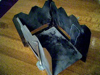 SmartAz writes- This no-frames, no frills website is dedicated to those brave experimenters spending time in building their own backpacking stoves or modifying commercial made ones. New designs are added from time to time. Currently the site has 28 designs with costs ranging from zero to ten bucks, depending on whether you buy materials or find them.
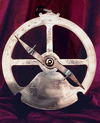 Astrolabes are probably the the sini qua non of ancient instruments. They have been collected for centuries, and forgeries have been made for centuries, though genuine, working, astrolabes were made in Islamic countries up through the nineteenth century. For background information on astrolabes a number of books are available…The Astrolabe site on the Internet provides a brief essay on the astrolabe, museums having astrolabe collections, a history of the astrolabe, and finally, astrolabe links, references, and reproductions, including a “personal astrolabe” available for a fee made by that site’s creator. Thanks